
Lately my workload has grown, and I think burnout may be starting to set in. I work full time and study counseling psychology on the side, and I noticed that even exercise had become something I didn’t want to do.
Starting something small was easier than trying to force my way back into an old routine.
Looking for something new, I started writing this journal. This note is about that impulse — why something small and new can be easier to begin than an old habit is to restart, and how to keep it from turning into one more obligation.
In brief: when you’re depleted, restarting an old routine carries the weight of every time you skipped it. A small new thing doesn’t. The trick is choosing something small enough to stay voluntary.
Why do good habits collapse first?
When work takes more energy, the things that give way first are usually the ones with no deadline — exercise, reading, cooking properly, calling a friend. Skipping them for a day costs nothing visible, so they’re the easiest to drop.
That doesn’t make them unimportant. It just means they’re the part of the day with no one enforcing them, which is exactly where depletion tends to show up first.
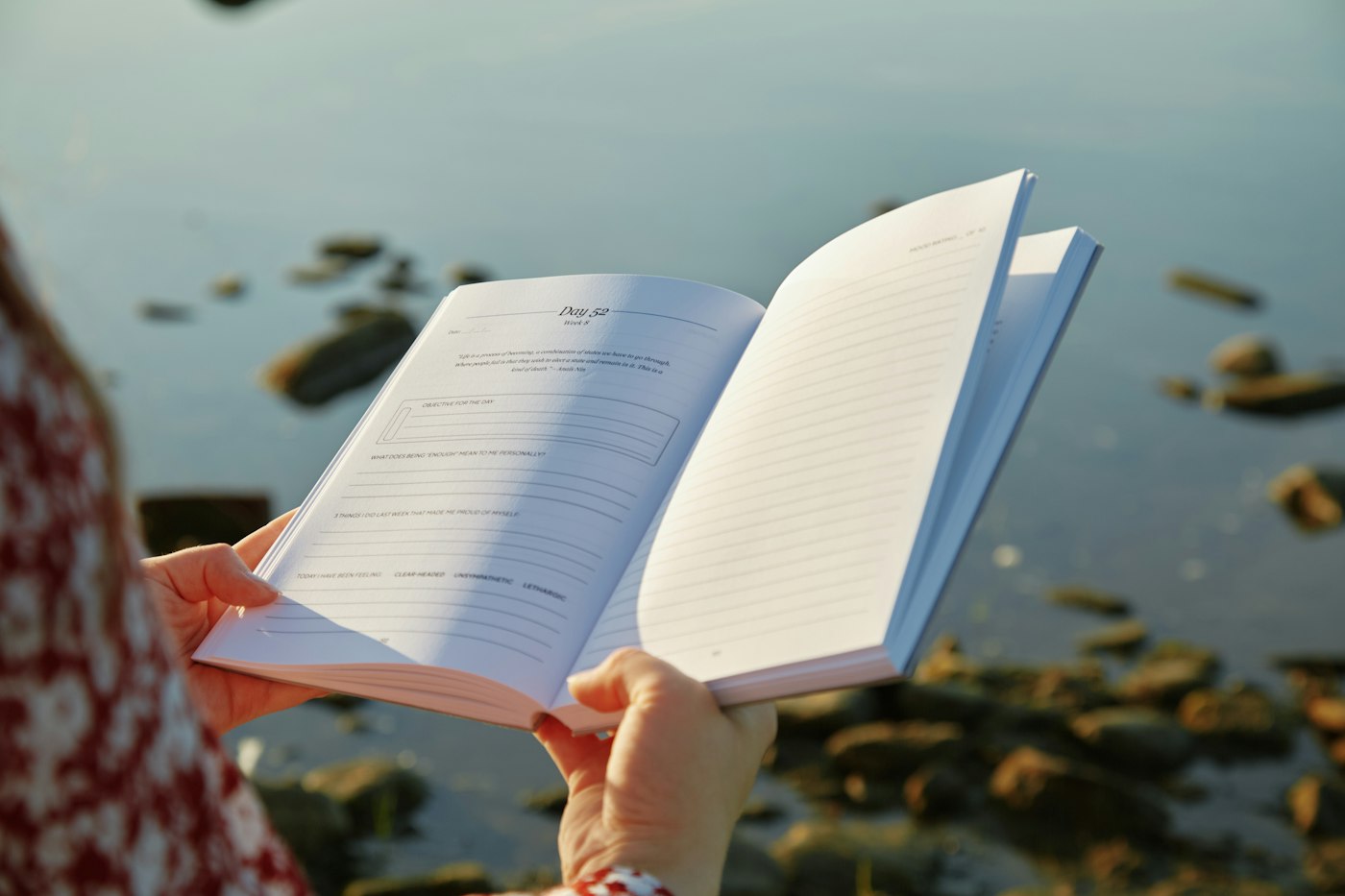
Restarting carries more weight than starting
Going back to an old habit means going back to the standard you used to meet — the distance you used to run, the pages you used to read. Returning at half strength can feel like evidence of how far things have slipped.
Something new has no history. There’s no earlier version of you to measure against, which is part of why it can feel lighter to begin, even when you’re tired.
What makes a new thing easier to keep?
The psychologists Edward Deci and Richard Ryan, whose self-determination theory is one of the better-known frameworks for motivation, describe lasting motivation as resting on a sense of autonomy, competence, and connection. A new pursuit tends to last when it’s chosen rather than assigned, sized so you can do it reasonably well, and ideally linked to something or someone you care about.
Source: Ryan & Deci (2000), Self-determination theory and the facilitation of intrinsic motivation, social development, and well-being, American Psychologist.
That makes a useful filter. If the new thing starts to feel mandatory, or too big to do well on a tired evening, it’s likely to become one more item on the list rather than a break from it.
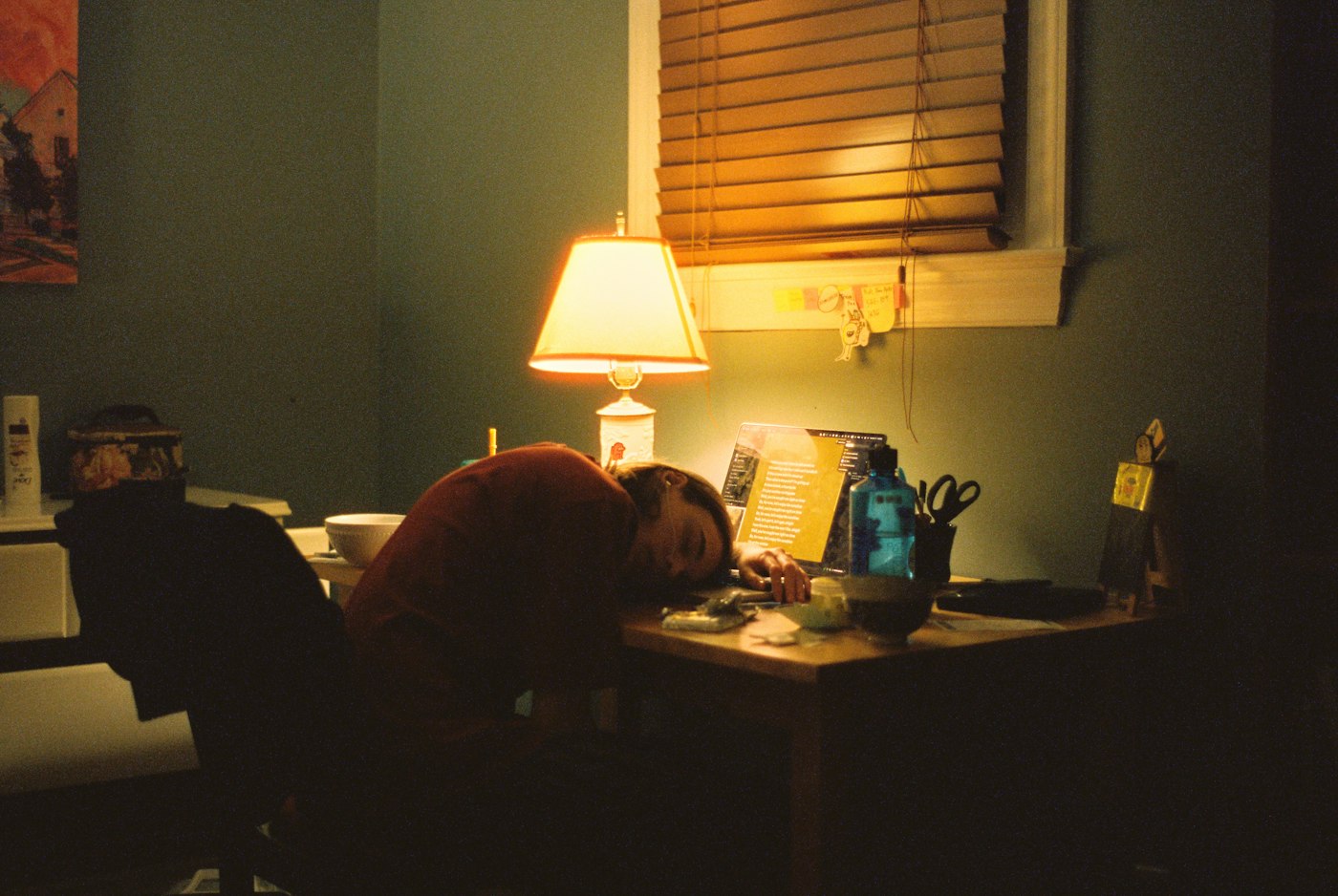
Keep it small enough to stay voluntary
The most common way a new pursuit fails is by growing too quickly — a hobby that becomes a schedule, a project with a quota. Keeping it small isn’t a lack of ambition; it’s what keeps it in the “want to” column.
A practical test: the smallest version of it should be doable in fifteen minutes, on a bad day, without preparation. If it can’t survive a bad day, it’s too big for this season.
It doesn’t have to replace what slipped
A new pursuit isn’t a substitute for the habit that faded, and it doesn’t need to be. It’s simply something that’s possible in a season when the old habit isn’t.
For some people the old habit comes back once there’s a little more energy in the system. For others it doesn’t, and something else takes its place. Either is fine.
When starting anything feels out of reach
More on starting something small
For a related read on starting something small, see a walk that isn’t for anything.
For more background on this idea, behavioral activation is a useful starting point.
For general self-care guidance, including staying socially connected, see NIMH: Caring for Your Mental Health.
If even small, chosen things feel impossible for weeks at a time, that’s worth taking seriously rather than solving with a new hobby. A persistent loss of interest in almost everything, especially alongside changes in sleep, appetite, or mood, is a good reason to talk with a doctor or a qualified mental health professional.
A note of care: This is a reflection on ordinary depletion, not a treatment plan or a diagnosis.
Comments
One response to “Starting something small when everything else feels like effort”
[…] For a related read on five-minute break turns into an hour, see starting something small when everything feels like effort. […]