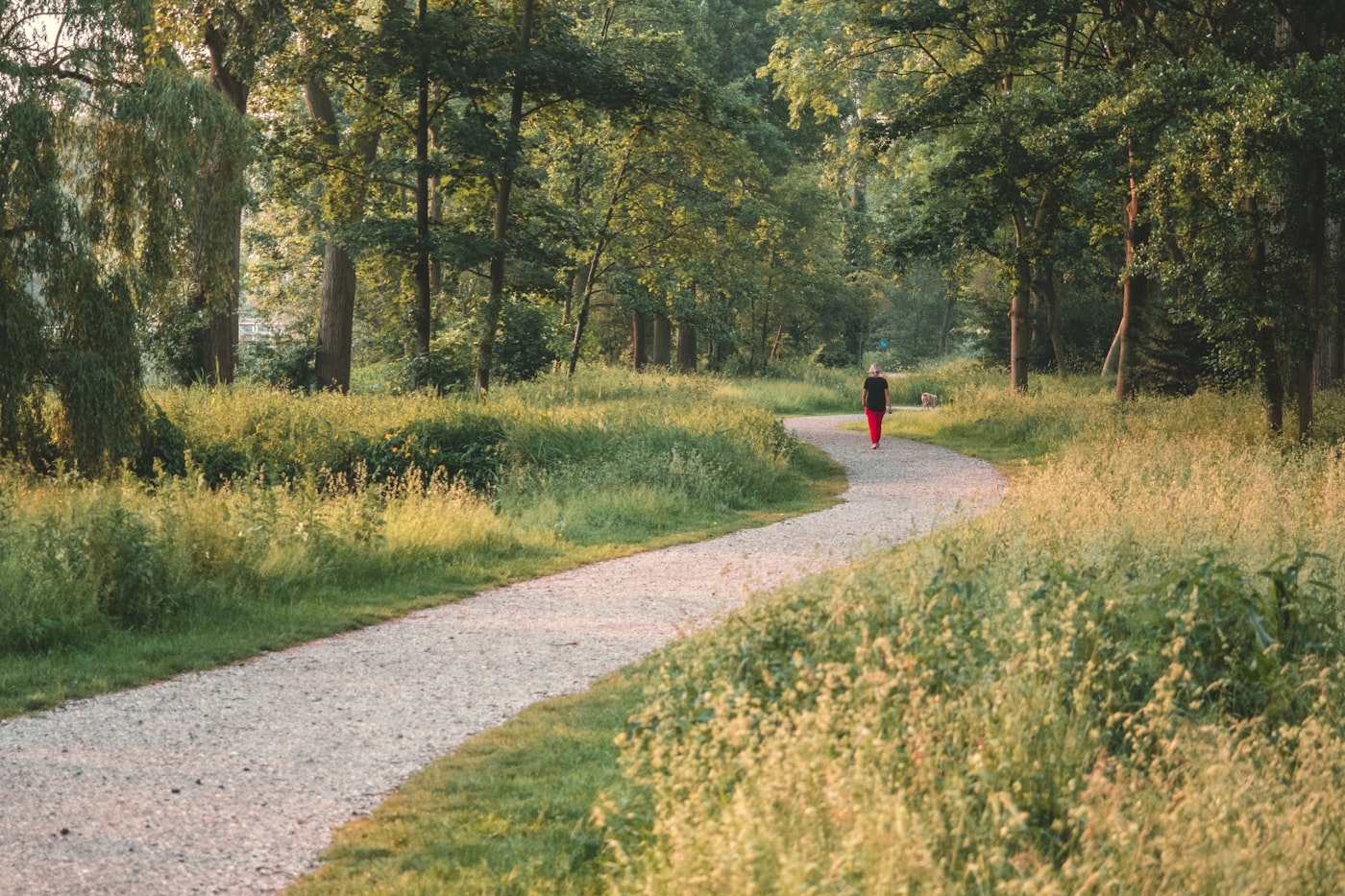
Most walking has a job. It gets you somewhere, or it counts toward a step target, or it doubles as time to listen to something useful. A walk that isn’t for anything is a different thing, and it’s become surprisingly rare.
A walk that isn’t for anything gives the mind permission to stop optimizing for a while.
It’s also one of the least demanding practices there is. You don’t have to be in a good mood to start, and there’s nothing to do correctly.
Not exercise, not an errand
The distinction isn’t about pace or distance. It’s about whether the walk is being measured. As soon as it has a target — minutes, steps, a destination you need to reach by a certain time — attention shifts to the target, and the walking becomes the means to it.
Without a target, there’s nothing to check. That’s the whole difference, and it changes the experience more than you’d expect.
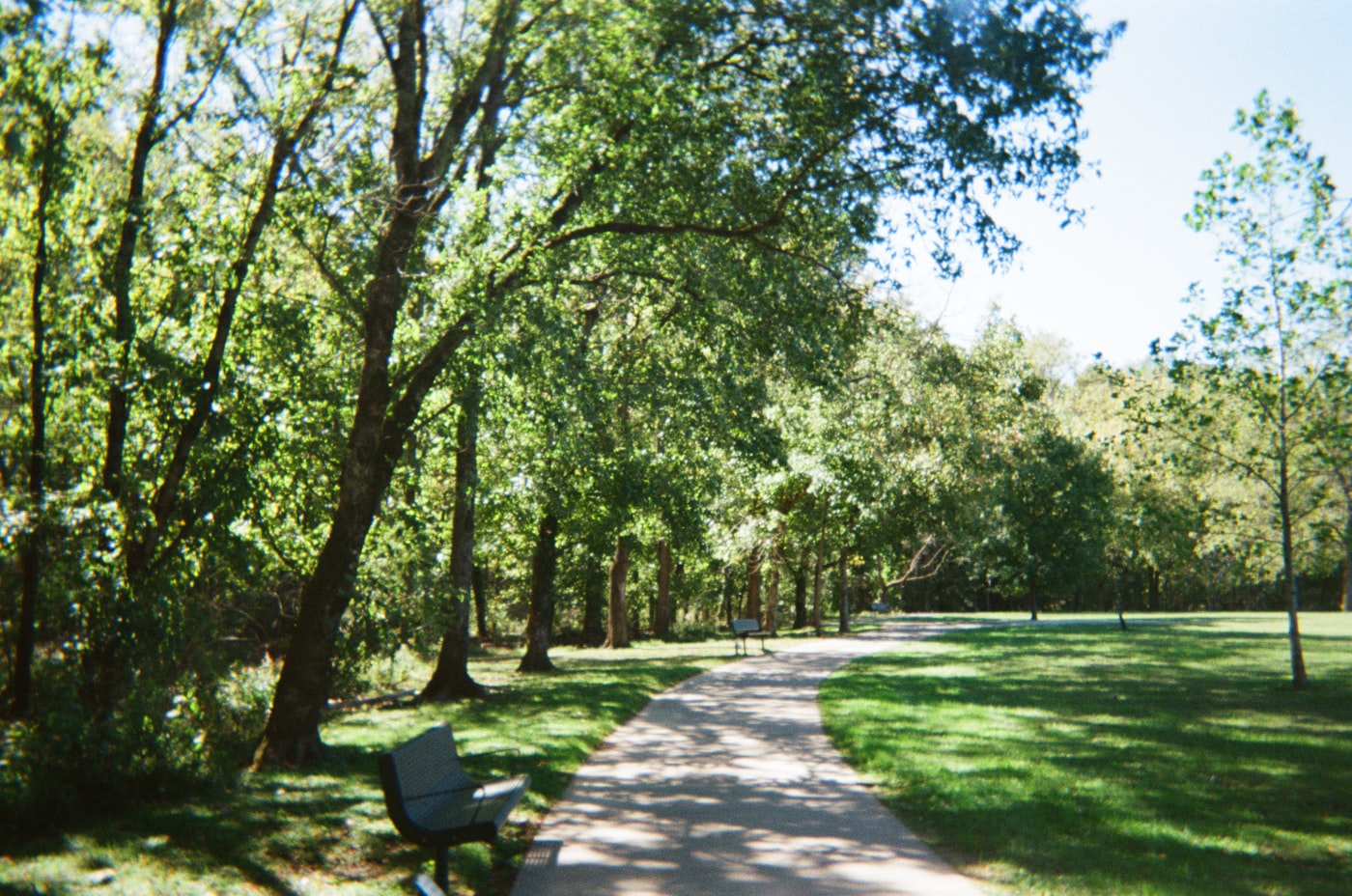
Why an aimless walk works differently
When you’re not going anywhere, the mind stops managing the route and starts noticing the surroundings instead — a tree that’s further along than last week, a building detail you’ve passed a hundred times, the temperature of the air.
Thoughts also tend to loosen. Not resolve, necessarily, but loosen: the thing you were turning over in a tight loop indoors often arrives in a slightly different shape by the second corner. This isn’t mystical. It’s what usually happens when attention has somewhere else to go for a while.
Leaving the phone’s job behind
The hardest part for most people isn’t the walking. It’s the fifteen minutes without input. A podcast, a call, or music turns the walk back into productive time, which is exactly the quality you were trying to set down.
If going without feels like too much, it’s reasonable to start with half: audio on the way out, nothing on the way back. The second half is where most of the loosening tends to happen anyway.
The urge to make it count
Partway through, a thought usually shows up: I should use this time to think through that problem. Or: I should at least take the longer route so it counts as exercise.
You don’t have to fight that thought, and you don’t have to obey it. Noticing it and continuing at the same pace is enough. The urge to convert unstructured time into something productive is worth observing precisely because it’s so automatic.
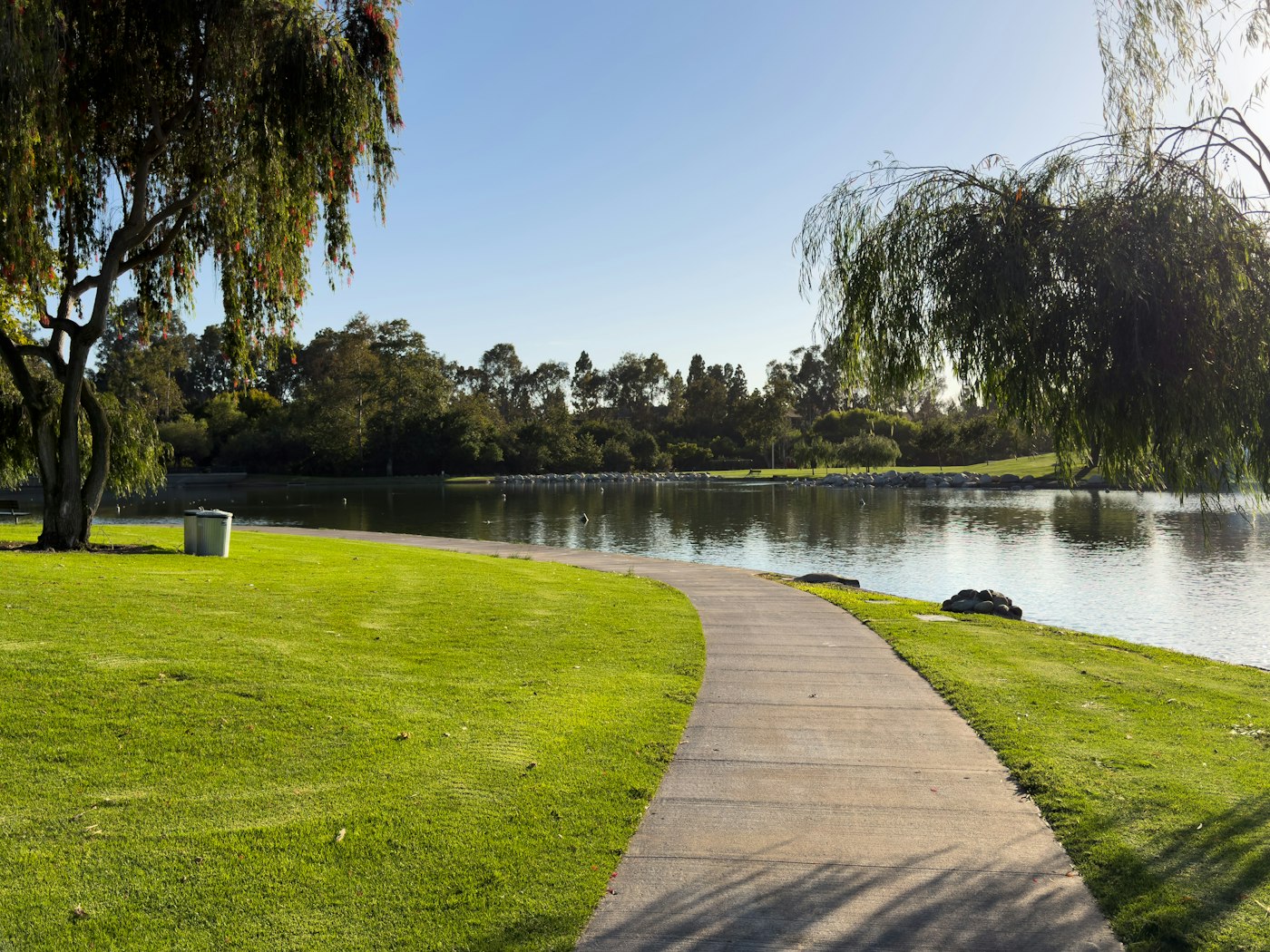
A shape you can borrow
Ten to twenty minutes. No route decided in advance — turn wherever looks slightly more interesting. No timer, or a silent one if you need to be back by a certain time. Phone in a pocket, on silent if that’s possible for you.
If you want one small anchor, pick something ordinary to notice on the way: doors, or trees, or the sound your own footsteps make. Not as a mindfulness exercise to perform well — just as something to rest attention on when it gets restless.
When walking doesn’t help
Some days a walk makes things worse, not better — when you’re already exhausted, when the weather is genuinely miserable, or when being alone with your thoughts is the last thing you need. That’s worth respecting rather than pushing through.
On those days, the useful version might be a walk with someone else, or no walk at all. The point of a practice with no goal is that skipping it costs nothing.
Coming back without a result
You may return with a clearer head, or with the same tangle you left with. Neither outcome makes the walk a success or a failure, because there was nothing it was supposed to produce.
That’s an unusual thing to have in a day, and it’s most of the value.
More on a walk that isn’t for anything
For a related read on a walk that isn’t for anything, see a slower breath for a moment that feels too big.
For more background on this idea, mindfulness is a useful starting point.
For general guidance on managing stress, see NHS: Get help with stress.
A note of care: This is an optional practice, not a treatment for low mood or anxiety. If difficulty persists or begins affecting daily life, please consider speaking with a qualified professional.
Comments
One response to “A walk that isn’t for anything”
[…] For a related read on starting something small, see a walk that isn’t for anything. […]