Through the afternoon you feel fine, and then as the light drops, something in you quietly sinks. Monday hasn’t even arrived. Sunday evening can feel heavy for many people, and the weight usually comes not from today but from the week that’s about to start.
In brief: A heavy Sunday evening is common, not strange. Noticing where the weight comes from and doing a small bit of preparation can make Monday feel lighter.
Sunday itself is actually a good day
In a large telephone survey of about 340,000 American adults, researchers looked at how mood varies by day of the week. They found clearly better mood on weekends and Fridays, no difference between Saturday and Sunday, and minimal support for a “Blue Monday” effect. The survey measured everyday mood during the day, which is worth keeping in mind, but it suggests Sunday itself isn’t a bad day.
Source: Stone et al. (2012), Day-of-week mood patterns in the United States: On the existence of ‘Blue Monday’, ‘Thank God it’s Friday’ and weekend effects, The Journal of Positive Psychology.
The weight may belong to the week ahead
The study didn’t explain this part, but here is one way to read it. If Sunday daytime mood is fine, the heaviness in the evening may come from rehearsing Monday and what follows, rather than from Sunday itself. When Sunday evening can feel heavy, asking “what am I picturing right now?” is a more accurate question than asking what’s wrong with you.

Living Monday early in your head
The inbox, the morning meeting, the unfinished task: your mind runs through Monday’s scenes in advance. The body is still resting while the mind has already gone to work. Scenes pictured in advance are often drawn larger than the real Monday, which is why the same tasks feel heavier on Sunday night.
A sense of rest running out
Part of the heaviness isn’t worry about work but the feeling that rest is ending. If there were things you meant to do this weekend and didn’t, the evening can feel sadder still. That feeling doesn’t mean you dislike your job; it can also be a sign that your own time matters to you.
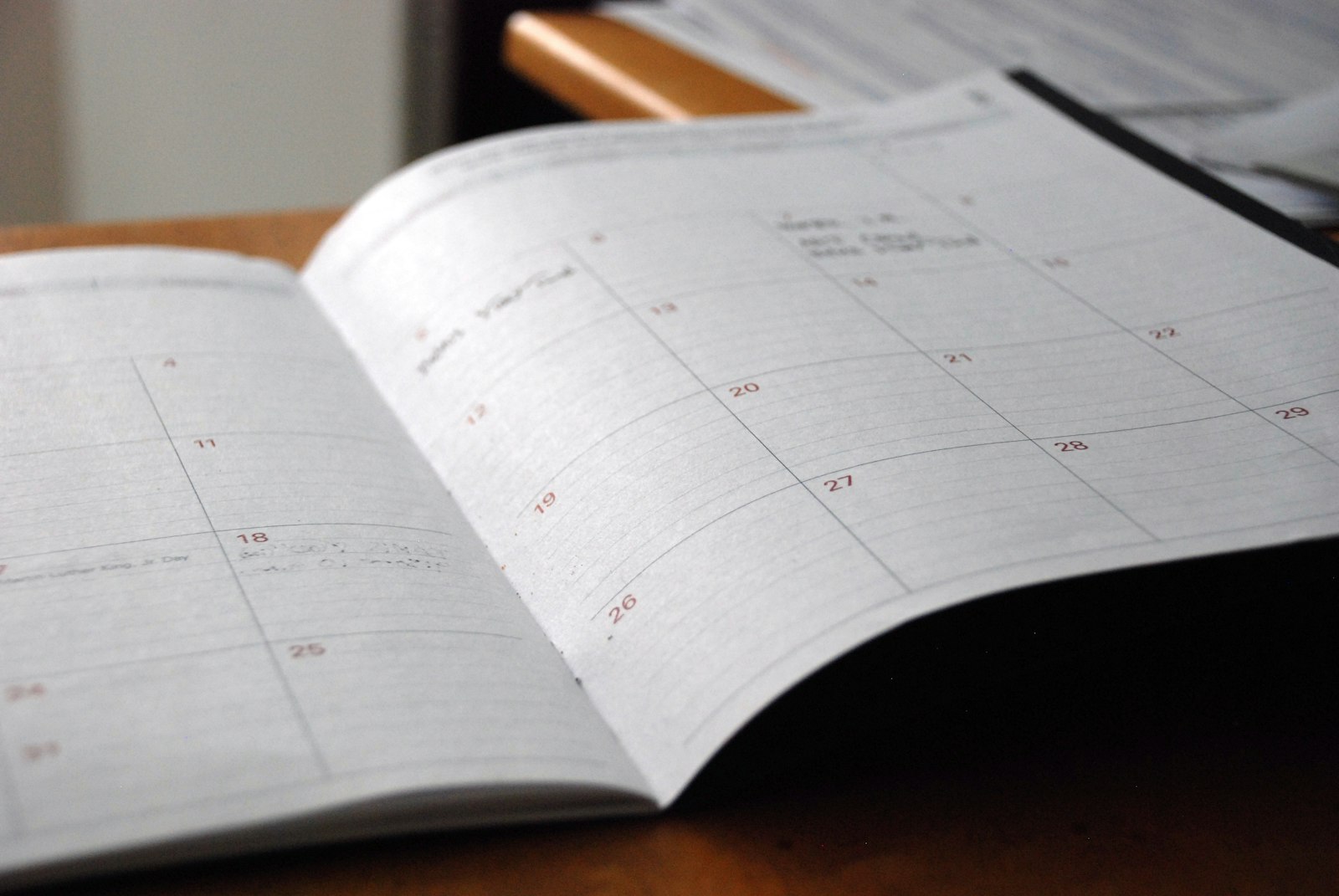
Choosing one first task for Monday
Planning the whole week on Sunday evening tends to make things heavier. Instead, write down just the first thing you’ll do on Monday morning. A clear starting point lets your mind see Monday as a first step rather than a vague mass. The rest can be left for Monday’s version of you to decide.
Writing it in one line and handing it forward
If a work thought keeps circling, put it in a line such as “Monday 9:00, check that email first.” Once it’s written down, your mind can stop holding it so it won’t be forgotten. It isn’t deleted, just stored, and a stored thought takes up less of Sunday evening.
Deciding what the evening is for
Picking one small thing for Sunday evening ahead of time keeps the hours from filling up with worry. A favorite meal, a short walk, or one episode you’ve been wanting to watch is enough. It isn’t a grand plan, just something to look forward to tonight.
Calling it the end of your day off
We often call Sunday evening “the night before work.” Calling the same hours “the last two hours of my day off” changes how they feel. Renaming doesn’t change the work, but it lets you decide what those hours are used for.
When the heaviness lasts week after week
If the heavy feeling repeats for weeks and starts to affect your sleep or appetite, it may be time to look at the workload or the environment itself. Talking with someone close to you or a professional can help. The ideas here are for light weight, not for difficulties that persist.
Why Sunday evening can feel heavy, in more depth
For a related read on this, see why a day off doesn’t always feel restful.
For more background on this idea, anticipatory anxiety is a useful starting point.
For general guidance on managing stress, see the NHS’s Get help with stress.
This article is for general information and isn’t a substitute for professional advice.