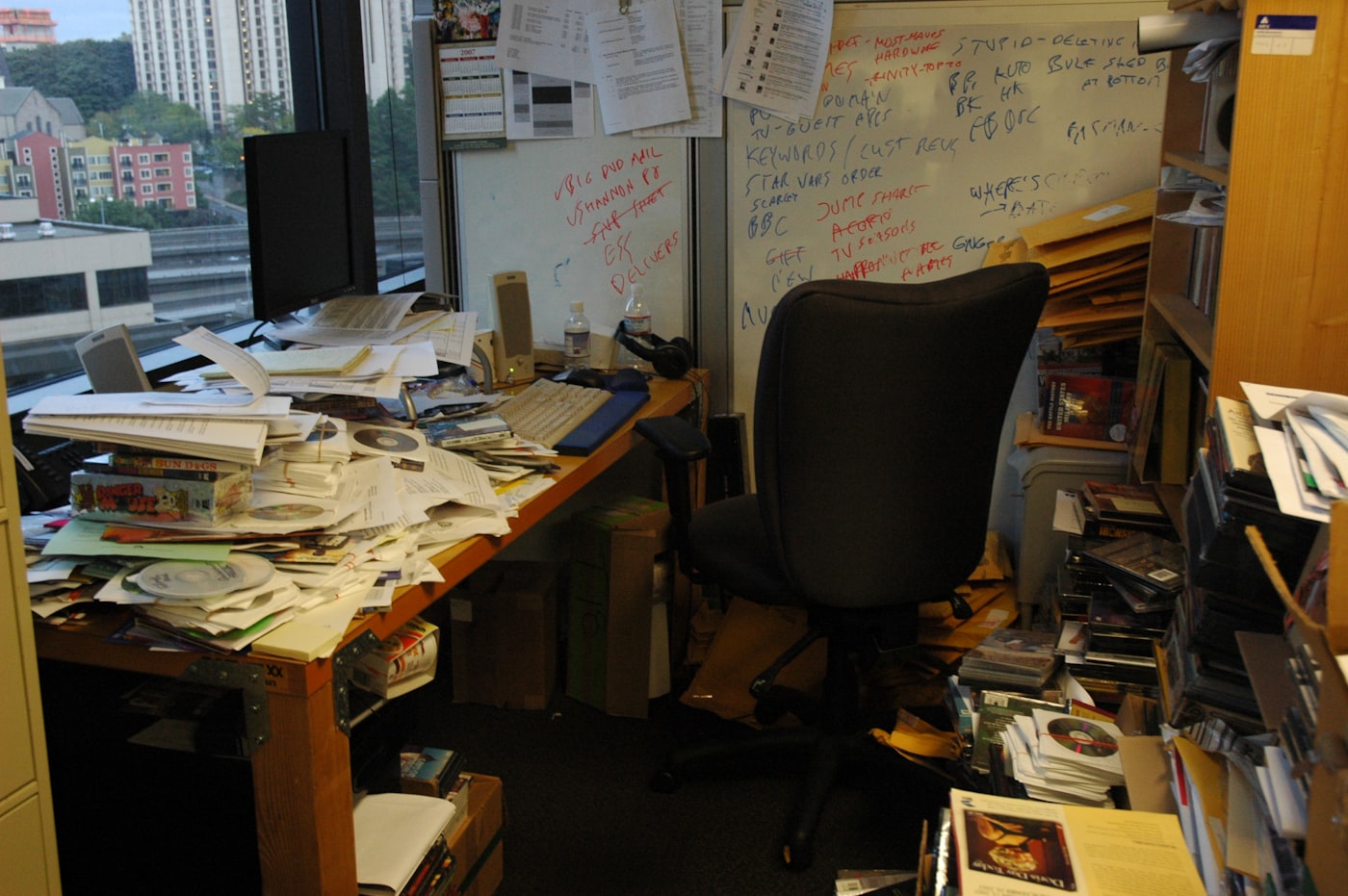
Some tasks are objectively small — a five-minute email, a form to sign, a call to reschedule an appointment — and still they sit on the list for days. The strange part is that the effort of avoiding them often costs more than doing them would.
A small task feels heavier than it should when something else is riding on it.
The weight is real, even when the task is not heavy. It usually just isn’t coming from the place we assume.
The weight is rarely about the task itself
A five-minute email that has waited two weeks is almost never about the five minutes. It might be carrying an apology you haven’t decided how to word, a question you’re afraid of the answer to, or the memory of the last time a similar message went badly.
Naming what the task is actually attached to often shrinks it more than any productivity technique. “This isn’t about the email; it’s about not knowing how they’ll take it” is a smaller, more honest problem than “I can’t make myself do simple things.”
Why avoiding it makes it heavier
The psychologist Timothy Pychyl, who spent years studying procrastination, describes it less as a time-management failure and more as a way of managing feelings — we put off the task to escape the discomfort attached to it, and the relief is immediate. That relief is exactly what makes the pattern stick.
Source: Sirois & Pychyl (2013), Procrastination and the Priority of Short‐Term Mood Regulation: Consequences for Future Self, Social and Personality Psychology Compass.
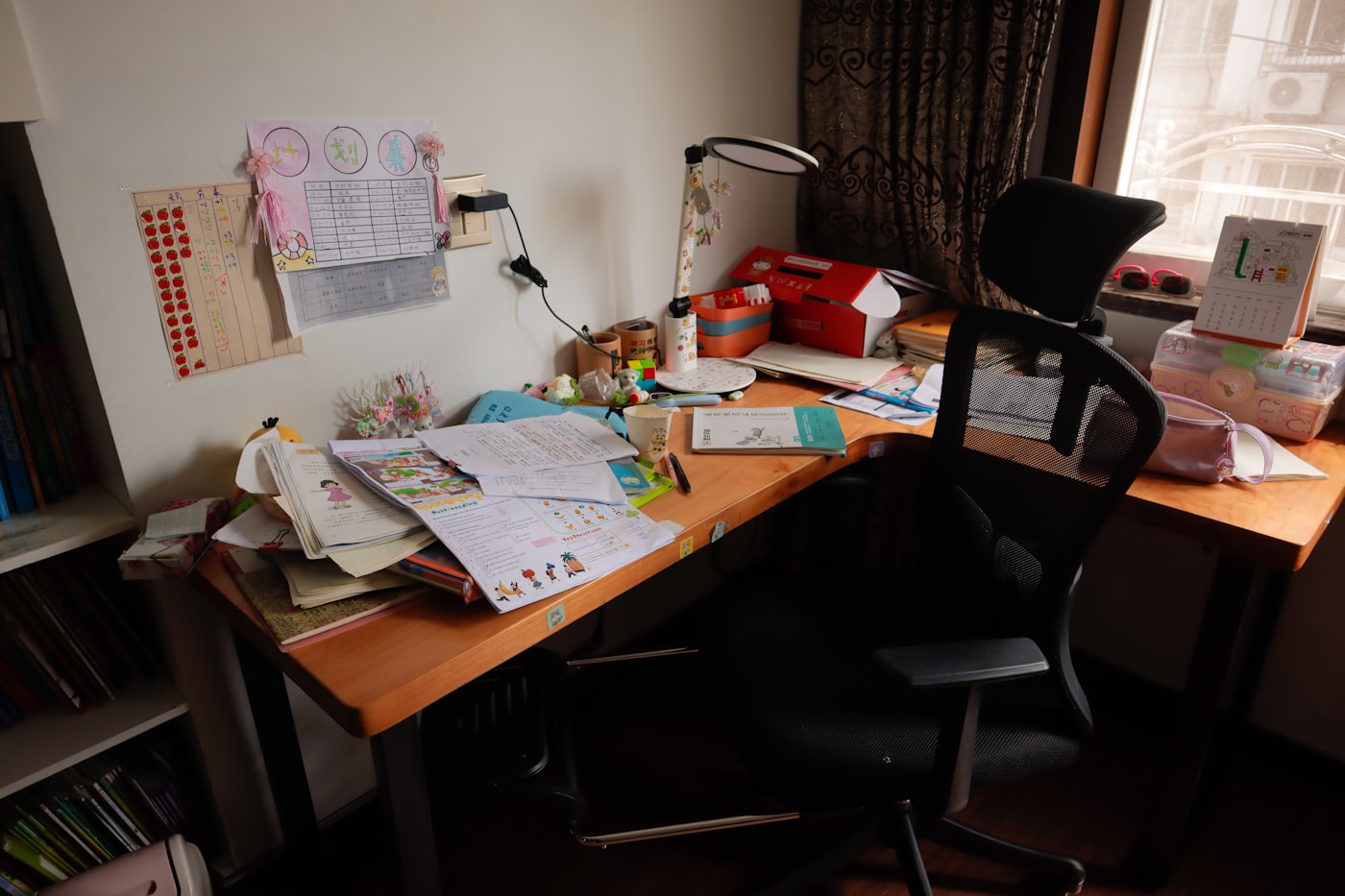
The cost arrives later. Each day the task stays undone, it collects a little more weight: the original discomfort, plus the guilt of the delay, plus the growing sense that it should have been easy. By the end of the week, a five-minute task is carrying a week of accumulated feeling.
Making the first move smaller than the task
When something feels too heavy to start, the useful move is usually not to schedule more time for it. It’s to make the first step small enough that it no longer requires a decision.
Not “write the email” but “open a blank message and type their name.” Not “do the paperwork” but “find the form and put it on the desk.” These steps sound almost too small to matter, which is precisely why they work — there’s nothing left to brace against.
Starting badly on purpose
Some tasks stay heavy because you’re waiting to do them well. A reply you want to be thoughtful, a message you want to get right. Giving yourself explicit permission to do a bad first version — one you’ll almost certainly rewrite — removes the standard that was holding the whole thing in place.
A draft you would never send is still infinitely closer to done than a blank page you keep returning to.

When the heaviness is telling you something
Not every avoided task should be pushed through. Sometimes the resistance is accurate: you don’t actually want to agree to the thing you’re being asked to agree to, or the commitment you’re avoiding is one you’ve outgrown.
It’s worth asking once, honestly, whether the task is heavy because it’s uncomfortable or heavy because it’s wrong for you. Those two call for different responses — one needs a smaller first step, the other needs a conversation.
A gentler measure of a day
If a small task has been sitting for a while, finishing it rarely feels triumphant — more often it’s anticlimactic, a quiet “that was it?” That flatness isn’t a sign the struggle was silly. It’s just what it feels like when weight that was mostly anticipation finally has nowhere left to sit.
More on small task feels heavier than it should
For a related read on small task feels heavier than it should, see the relief that can follow a decision.
For more background on this idea, procrastination is a useful starting point.
For general guidance on managing stress, see NHS: Get help with stress.
A note of care: This reflection is about ordinary task resistance. If difficulty starting things is persistent, affects work or daily life, or comes with low mood or hopelessness, it may be worth speaking with a qualified professional.
Comments
One response to “When a small task feels heavier than it should”
[…] For a related read on person at the next desk moves on, see when a small task feels heavier than it should. […]